Blog
Retaining Wall Installation on Long Island: Materials, Costs & When Your Yard Needs One
July 14, 2026
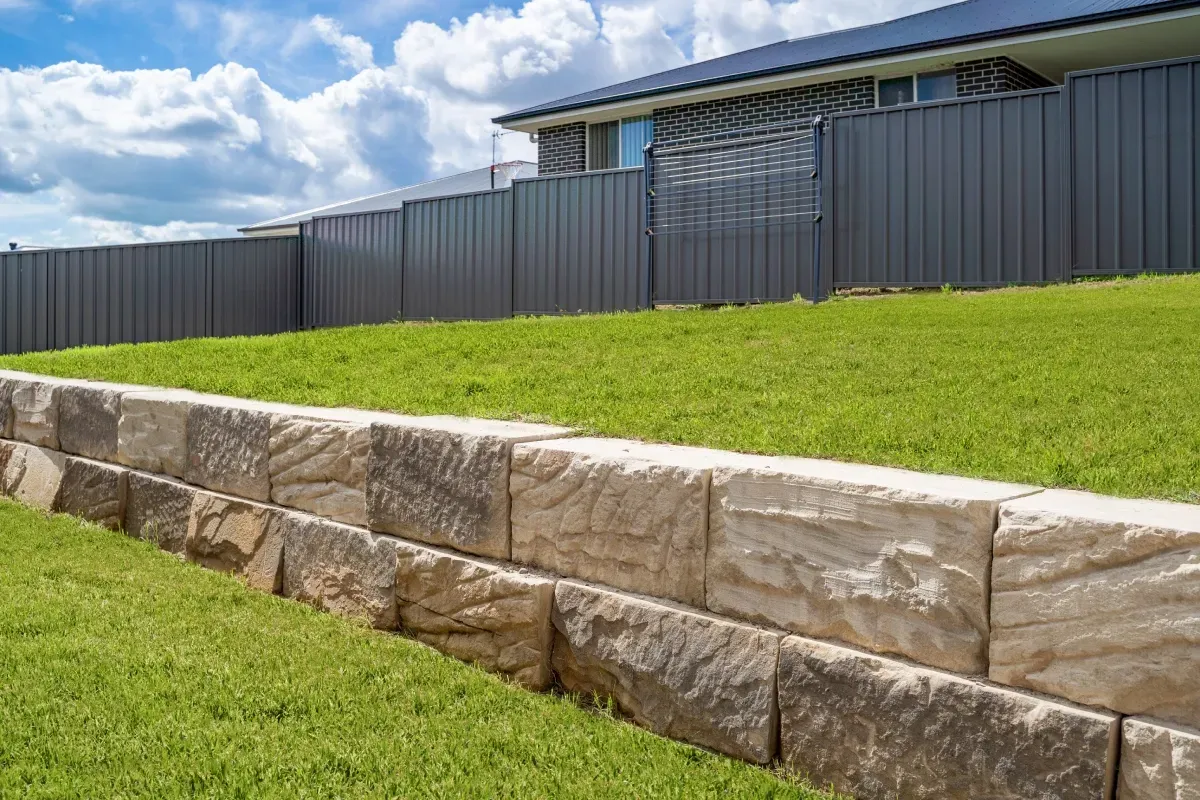
Retaining wall installation Long Island projects are usually needed when a yard has slopes, erosion, drainage issues, or areas that need more usable space. A well-built retaining wall can hold soil in place, redirect water, protect nearby structures, and make your backyard easier to use. The right design depends on your property grade, soil conditions, wall height, material choice, and how the rest of your outdoor space will be used.
When Your Long Island Yard Actually Needs a Retaining Wall
Not every uneven yard needs a retaining wall. A gentle slope may be manageable with grading or landscape adjustments, but steeper areas often need structural support. If your yard is showing signs of movement, water runoff, or soil loss, a retaining wall may be the better long-term solution.
Common signs you may need one include:
- Soil washing away after heavy rain
- A sloped yard that is hard to use
- Water running toward the house, driveway, or patio
- A steep drop-off near an outdoor living area
- Uneven ground around a pool, walkway, or seating space
- Areas where mulch, soil, or plantings keep shifting
Why Retaining Walls Matter on Long Island Properties
Long Island yards can deal with sandy soil, moisture, heavy rain, and seasonal freeze-thaw changes. That means a retaining wall needs more than attractive materials. It needs a stable base, proper drainage, and a design that can handle pressure from soil and water.
Without the right construction, a wall can lean, crack, bulge, or shift over time. Drainage is especially important because trapped water behind the wall adds pressure. A strong wall is built to manage both the visible slope and the hidden forces behind it.
Retaining Wall Materials Long Island Homeowners Usually Consider
The best material depends on the look you want, the height of the wall, your budget, and how much support the yard needs. Some materials are better for decorative walls, while others are better for structural walls. Your retaining wall contractor in Melville NY can help match the material to the property.
Popular options include:
- Segmental concrete blocks: A common choice for residential walls because they are durable, clean-looking, and work well for curved or tiered layouts.
- Natural stone: A premium option for homeowners who want a more custom, high-end look that blends well with outdoor living spaces.
- Timber: A lower-cost option upfront, but usually not as long-lasting because wood can rot, shift, or attract insects over time.
- Poured concrete or masonry: A strong structural option for more complex walls, especially when engineering may be required.
Retaining Wall Cost Long Island NY Homeowners Should Expect
Retaining wall cost Long Island NY homeowners pay can vary widely based on the wall height, material, access, drainage needs, and site conditions. A small decorative wall will cost less than a taller structural wall that needs excavation, drainage, engineering, or permits. The best way to price the project is to look at both the visible wall and the preparation behind it.
Common cost factors include:
- Wall height and total length
- Material selection
- Soil conditions and grading needs
- Drainage system requirements
- Access for equipment and materials
- Removal of old walls or debris
- Engineering or permit requirements for taller walls
Backyard Retaining Wall Ideas Long Island Homeowners Can Use
A retaining wall does not have to feel like a plain structure in the yard. When planned well, it can help shape the entire outdoor space. Many backyard retaining wall ideas Long Island homeowners consider are both practical and attractive. Useful design ideas include:
- Tiered walls for steep backyards
- Seat walls around patios or fire features
- Retaining walls near pool areas
- Stone walls that define outdoor rooms
- Low walls along walkways or steps
- Walls that create flatter spaces for entertaining
- Integrated lighting for safety and nighttime use
What To Know About Height, Permits, And Planning
Wall height is one of the biggest planning details. In many Nassau and Suffolk County areas, taller retaining walls may need permits or an engineered design, especially when they are over 4 feet high. Local rules can vary, so it is important to confirm requirements before construction starts.
Planning should also consider nearby patios, pools, steps, fencing, driveways, and property lines. A wall that supports one part of the yard can affect how the rest of the space drains and functions. That is why retaining walls should be planned as part of the full outdoor layout, not as a separate afterthought.
Why Work With Elements Outdoor Living For Retaining Walls
Elements Outdoor Living provides residential retaining wall installation services in Melville, NY and across Long Island through our hardscaping services. We plan each wall around your yard’s slope, drainage needs, outdoor layout, and long-term use so the finished result feels both strong and natural. Our goal is to build retaining walls that support your property while improving how your backyard looks and functions.
Build A Stronger, More Usable Long Island Backyard
A retaining wall can improve drainage, reduce erosion, and make your Long Island yard more usable. If slopes, runoff, or uneven areas are limiting your backyard, professional installation can help.
Contact us today to start planning your retaining wall project.
Let’s Get Started
Ready to Transform Your Outdoor Space in Melville, NY?
Recent Posts