Blog
Artificial Turf or Natural Grass? What Long Island Homeowners Should Know
Michelle Cueva • July 7, 2026
Artificial turf in Long Island that homeowners consider today is not just about getting a green lawn without mowing. It is about choosing the right surface based on how your yard is used, how much maintenance you want, and what will fit your property long term. Artificial turf and natural grass both have advantages, but the better choice depends on your space, budget, drainage, pets, and outdoor living goals.
Artificial Turf vs. Natural Grass: What Is the Real Difference?
The main difference between synthetic turf and natural grass comes down to maintenance, feel, cost, and everyday performance. Natural grass is a living surface that needs mowing, watering, fertilizing, weed control, and seasonal care. Artificial turf is a manufactured surface that stays green year-round with less routine upkeep.
That does not mean artificial turf is completely maintenance-free. It still needs brushing, rinsing, debris removal, and occasional cleaning, especially in pet areas or high-traffic spaces. Natural grass takes more regular care, but many homeowners still prefer its softer feel, cooler surface, and natural look.
| Feature | Artificial Turf | Natural Grass |
|---|---|---|
| Maintenance | Lower, but still needs cleaning | Higher, with mowing and lawn care |
| Upfront Cost | Usually higher | Often lower, depending on prep |
| Summer Comfort | Can get hot in direct sun | Usually cooler |
| Appearance | Consistent green look | Natural seasonal look |
| Pets | Works well with proper drainage | Softer, but can patch or stain |
| Drainage | Depends on base installation | Depends on the grading and soil |
| Best Uses | Small yards, pet runs, putting greens, pool areas | Larger lawns, play areas, and traditional landscapes |
When Artificial Turf Makes Sense
Artificial grass installation in Long Island, NY: homeowners often choose to work in areas where natural grass is hard to maintain. This can include shady side yards, small backyards, pet areas, pool surrounds, play spaces, and spots with heavy foot traffic. It can also be a good option when homeowners want a clean, consistent surface without dealing with mud, bare patches, or constant lawn repairs.
Artificial turf may be a good fit if you want:
- A green lawn looks better with less mowing and watering
- A cleaner surface around patios, pools, or play areas
- A pet-friendly section with proper drainage
- A low-maintenance side yard or small backyard
- A backyard putting green for practice and recreation
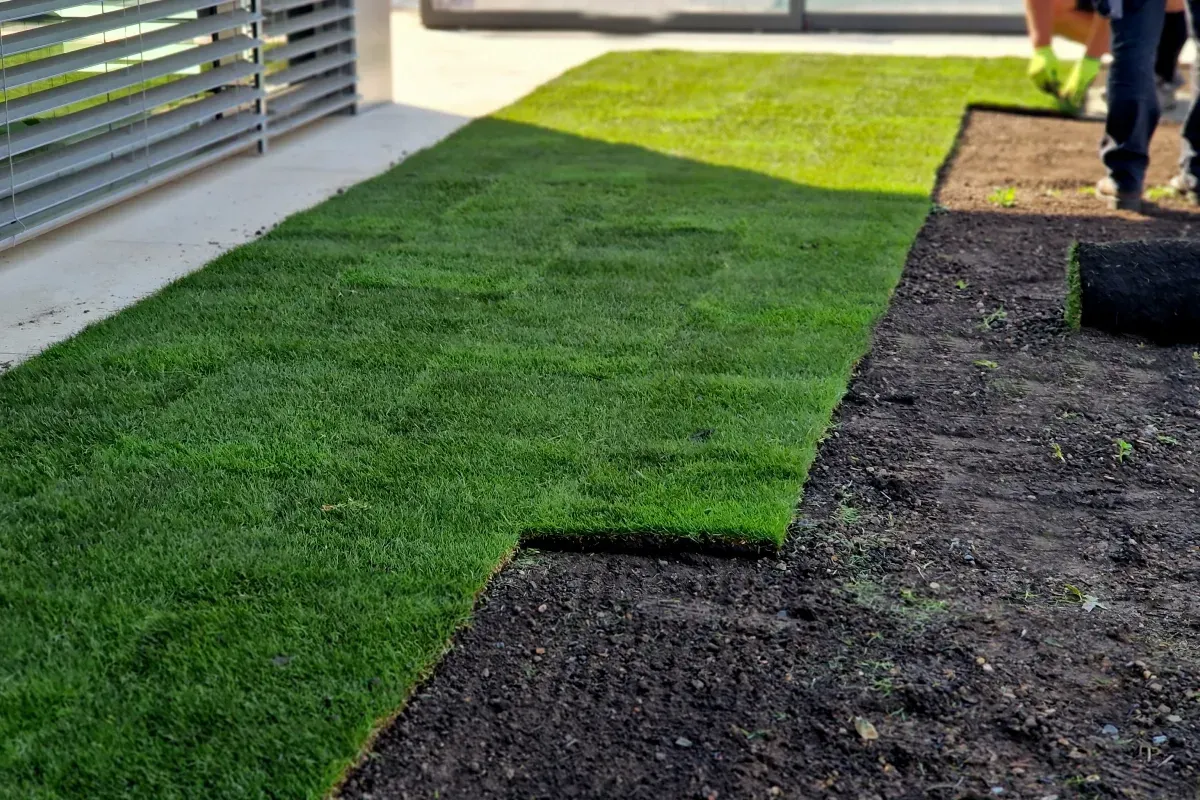
The most important part is proper installation. Turf needs the right base, drainage, edging, and infill to perform well over time.
When Natural Grass Is Still the Better Choice
Natural grass is still a strong option for homeowners who want a softer, cooler, and more traditional lawn. It works especially well in larger open yards where kids play, pets run, or the lawn is part of the overall landscape design. With the right grading, soil preparation, irrigation, and maintenance, natural grass can look beautiful and feel comfortable.
Natural grass may be better if you want:
- A cooler lawn surface during summer
- A softer feel underfoot
- A more natural landscape appearance
- A living lawn that supports the surrounding soil
- A lower upfront cost in some cases
The tradeoff is ongoing maintenance. Long Island lawns face heat, humidity, shade, weeds, foot traffic, and drainage issues, so natural grass requires consistent care to stay healthy.
What to Consider Before Choosing Artificial Turf or Natural Grass
Before choosing between artificial turf and natural grass, think about how your yard will be used every day. A lawn that works well for pets, kids, pool traffic, or outdoor entertaining needs more than a green surface. Drainage, sun exposure, comfort, maintenance, and long-term use should all guide the decision.
Here are a few important things to consider:
- Drainage: Both turf and natural grass need proper drainage to move water properly. Poor drainage can lead to puddling, soggy spots, odors, or long-term surface issues.
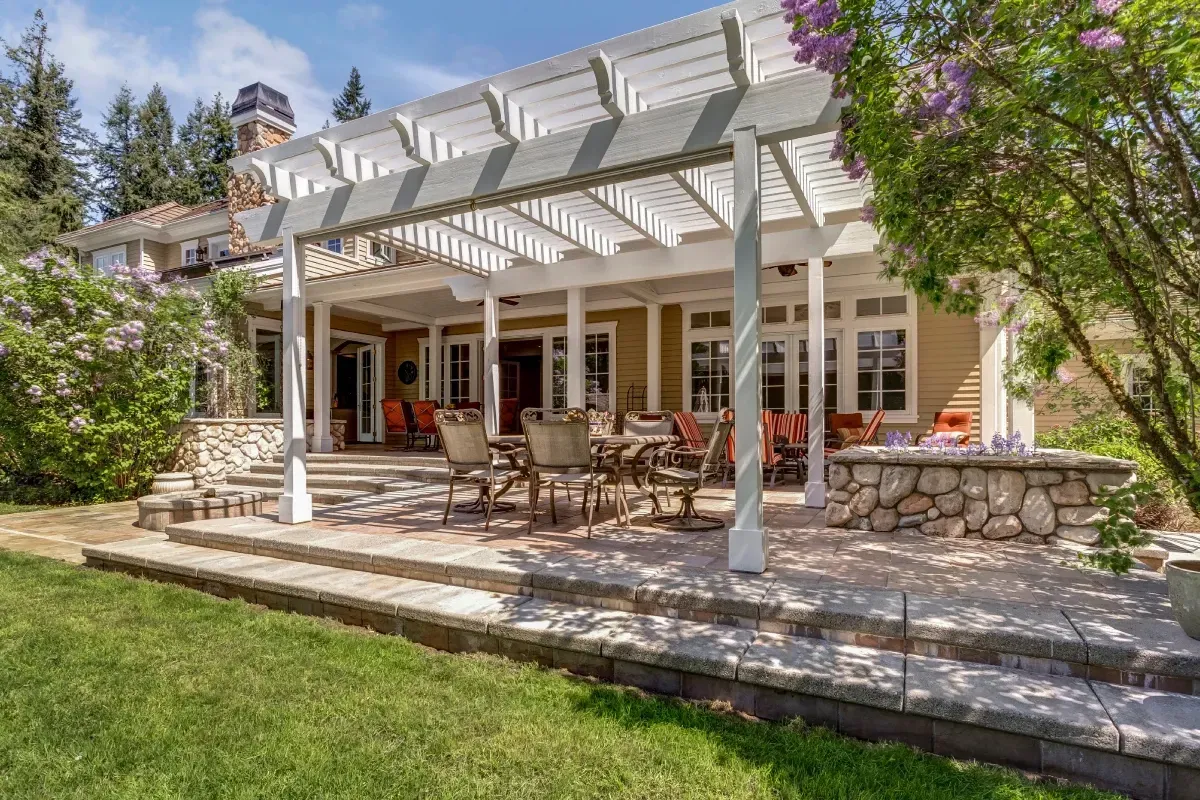
- Sun Exposure: Artificial turf can get hotter than natural grass in direct sun, especially during summer. If the area gets strong sunlight, shade features, trees, pergolas, or nearby planting beds can help make the space more comfortable.
- Pets: Natural grass can develop urine spots or worn areas, while artificial turf requires proper drainage and a cleaning plan to help prevent odors.
- Foot Traffic: Busy play areas, side yards, and pool paths can wear down natural grass. Turf may hold up better in high-use zones when installed correctly.
- Maintenance: Natural grass needs regular mowing, watering, and seasonal care. Turf needs less routine upkeep, but it still needs cleaning and occasional brushing.
What Affects Artificial Turf Cost on Long Island?
The cost of artificial turf for Long Island homeowners is expected to depend on the area size, turf quality, site preparation, drainage needs, and project details. A simple turf section will usually cost less than a custom pet area, poolside installation, or backyard putting green. Smaller spaces may also have a higher cost per square foot because they still require proper prep work.
Common cost factors include:
- Existing lawn or surface removal
- Grading and base preparation
- Drainage corrections
- Turf type and infill
- Seaming and edge restraints
- Pet-use layers or deodorizing infill
- Putting green cups, fringe, and contours
Artificial turf often costs more upfront than natural grass, but it can reduce the need for mowing, watering, and lawn repairs over time. The best way to compare costs is to look at both the installation price and the long-term maintenance required.
Custom Turf Areas and Mixed Yard Designs
Many Long Island homeowners do not need to choose between artificial turf and natural grass for their entire yard. A mixed design can use turf in problem areas and natural grass where a living lawn makes more sense. This can create a yard that is easier to maintain while still feeling natural and comfortable.
Artificial turf can be used for:
- Side Yards: A good option for narrow or shaded areas where natural grass struggles to grow.
- Pet Areas: Turf can help create a cleaner, easier-to-maintain space when installed with proper drainage and a cleaning plan.
- Poolside Spaces: Artificial turf can reduce mud and create a soft, green surface around outdoor living areas.
- Backyard Putting Greens: Installation for Long Island homeowners needs a smoother base, proper slope, precise cup placement, and turf designed for ball roll.
- Mixed Lawn Designs: Turf can be used in high-use areas while natural grass remains in the main lawn for a softer, more traditional feel.
- Outdoor Living Areas: Turf can be combined with patios, walkways, planting beds, lighting, retaining walls, and seating areas for a more complete backyard design.
Which Option Is Better for Your Long Island Yard?
Choose artificial turf if you want a low-maintenance surface for a small yard, pet area, play space, pool surround, or backyard putting green. Choose natural grass if you want a cooler, softer, living lawn and are comfortable with regular maintenance. Choose a combination of parts of your yard with different needs.
Elements Outdoor Living helps homeowners in Melville, NY, and surrounding Long Island communities plan outdoor spaces that are functional, attractive, and built around everyday use. Whether you are considering artificial turf, natural grass, a putting green, or a full outdoor living upgrade, the right plan starts with your property and how you want to enjoy it.
Contact us today to start planning your lawn, turf, or outdoor living project.
Let’s Get Started
Ready to Transform Your Outdoor Space in Melville, NY?
Recent Posts